
 By
By 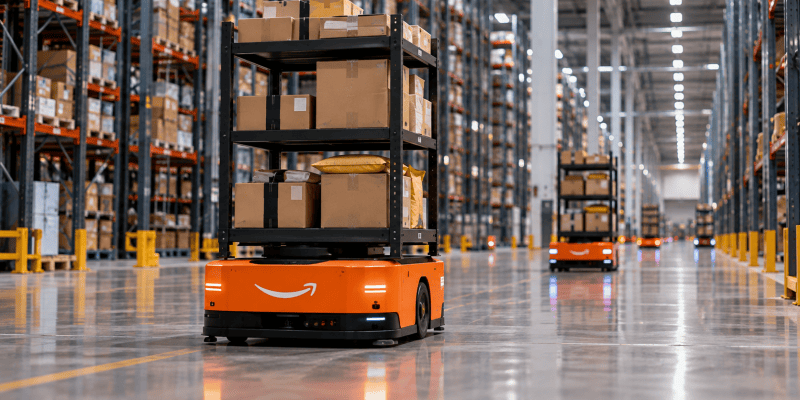
SEATTLE, Washington, Amazon has expanded the role of robotics across its fulfilment network, with more than one million active warehouse robots now supporting operations worldwide. The company’s growing automation footprint highlights how robotics and artificial intelligence are changing the way large retailers store, sort and deliver products.
A report published by Ars Technica on October 13, 2026, examined Amazon’s robotics programme and its impact on warehouse operations. The expansion comes as retailers face pressure to improve delivery speed, manage operating costs and process growing volumes of online orders.
Amazon has spent years developing automated systems that move inventory, transport goods across warehouse floors and support workers responsible for picking and packing customer orders. Its latest scale demonstrates how robotics has become an established component of large scale logistics rather than a limited experimental technology.
Robots Take on Repetitive Warehouse Tasks
Warehouse robots can move shelves, carry containers and transport products between different stages of fulfilment. These systems help reduce the distance employees need to travel within large facilities and can improve the coordination of inventory movement.
Automation is particularly useful for repetitive tasks that require consistent movement across extensive warehouse environments. When connected to inventory software and warehouse management systems, robots can help operators track products and direct goods to the appropriate processing areas.
However, the technology does not eliminate the need for human workers. Employees continue to supervise operations, resolve exceptions, maintain equipment and handle tasks that require judgement or physical flexibility.
Artificial Intelligence Adds Another Layer
AI can help robotic systems interpret their surroundings, identify objects and respond to changing conditions. Combined with sensors, mapping technology and automated planning, these capabilities can make warehouse operations more adaptable.
The systems must still operate within carefully controlled environments. Unexpected obstacles, equipment failures and changes in inventory can disrupt workflows, making monitoring and maintenance essential.
Amazon’s continued investment reflects the importance of combining physical automation with software that coordinates movement, manages stock and allocates work across large facilities.
Efficiency Gains Come With Challenges
Robotics can help businesses improve throughput and reduce certain operational costs, but deployment requires substantial investment in equipment, software integration, infrastructure and ongoing maintenance.
Companies must also evaluate how automation affects workplace safety, employee training and the design of warehouse processes. Poorly integrated systems can create bottlenecks rather than improve efficiency, particularly when automated equipment and human workers share the same operating space.
The financial benefits therefore depend on utilisation rates, reliability and the ability to adapt systems to changing demand.
A Wider Shift in Logistics Technology
Amazon’s robotics programme reflects a broader transformation across retail, manufacturing and distribution. Businesses are increasingly using automated systems to manage repetitive physical work while relying on employees for supervision, problem solving and customer focused tasks.
As robotics becomes more widespread, competition may depend on how effectively companies integrate machines with inventory data, forecasting tools and delivery networks.
For Amazon, the next challenge will be to maintain reliable operations as automation expands across its fulfilment infrastructure. For the wider technology sector, warehouse robotics offers a practical example of AI and automation moving beyond digital services into everyday physical operations.














Comments