
 By
By 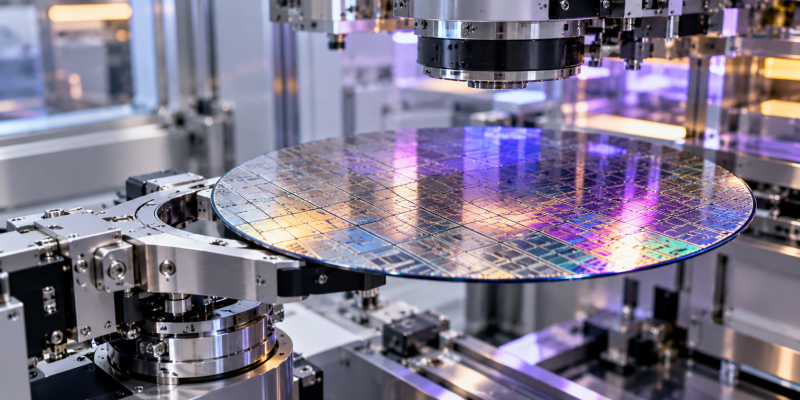
VELDHOVEN, Netherlands, ASML has warned that the supply of advanced semiconductor manufacturing equipment may remain below expected demand in 2027 and 2028, highlighting a potential bottleneck for the global chip industry as manufacturers race to expand capacity for artificial intelligence processors and high performance memory.
The Dutch equipment maker said on October 15 that it planned to increase production capacity by approximately 30% over the period. Despite the expansion, demand for its specialised machines is expected to outpace the company’s ability to deliver them, according to reporting by InformationWeek and Reuters.
The warning is significant because semiconductor production depends on a relatively small number of highly specialised equipment suppliers. Even when chipmakers have funding, factory space and customer orders, shortages of critical manufacturing tools can delay the expansion of production capacity.
Advanced Lithography Remains a Critical Bottleneck
ASML is the world’s only supplier of extreme ultraviolet lithography systems used to manufacture the most advanced semiconductor chips. These machines use extremely precise light based processes to create intricate circuit patterns on silicon wafers.
The equipment is central to the production of advanced processors used in artificial intelligence systems, high performance computing and other demanding applications. Manufacturers including Taiwan Semiconductor Manufacturing Company, Samsung and Intel depend on sophisticated lithography equipment as they develop increasingly advanced manufacturing processes.
ASML’s planned capacity expansion reflects the scale of investment taking place across the semiconductor industry. However, these machines are complex to manufacture, requiring specialised components, engineering expertise and tightly controlled production processes.
As a result, increasing output cannot happen as quickly as demand rises. Extended delivery schedules may force semiconductor manufacturers to revise factory expansion plans or prioritise equipment allocation among different projects.
AI Demand Intensifies Competition for Chip Capacity
The global AI infrastructure buildout has increased demand for advanced processors and high bandwidth memory. Cloud providers and technology companies are investing heavily in computing infrastructure, creating incentives for chipmakers to expand production.
However, semiconductor manufacturing capacity depends on more than investment announcements. Equipment availability, factory construction, skilled labour, materials and production yields all affect how quickly additional chips can reach the market.
A shortage of lithography equipment could therefore limit the pace at which new manufacturing facilities become operational. This may keep competition intense among chipmakers seeking to secure production capacity for advanced processors.
For technology companies, the consequences could include longer procurement timelines and greater uncertainty around hardware availability. Businesses planning large AI deployments may need to coordinate equipment orders and infrastructure investment earlier than usual.
What Investors Will Watch Next
Investors will monitor ASML’s production targets, order backlog, delivery schedules and customer investment plans for signs of whether the equipment constraint is easing.
Semiconductor manufacturers will also face pressure to demonstrate that their planned capital expenditure can translate into actual production growth. Strong demand may support equipment orders, but delays in delivery could affect the timing of revenue recognition and factory utilisation.
ASML’s warning highlights a central challenge for the semiconductor industry: expanding chip output requires a complex global supply chain, and additional spending cannot immediately remove every bottleneck.
As AI computing demand grows, access to advanced manufacturing equipment could become an increasingly important factor in determining which semiconductor companies can scale production fastest.












Comments