
 By
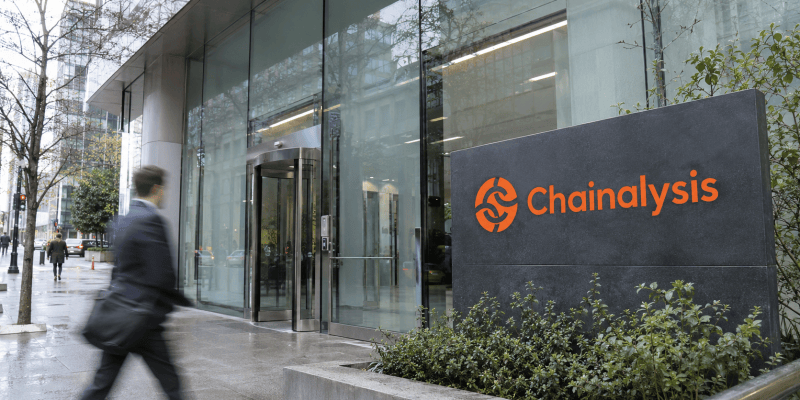
NEW YORK, United States — Blockchain analytics company Chainalysis has disclosed a cybersecurity incident in which an external attacker gained unauthorized access to internal systems and certain customer information. The company published its security notification on October 30, 2026, stating that the attacker used what it described as offensive agentic techniques. Chainalysis confirmed that some customer identity information was accessed but said its investigation had not identified evidence of exposure involving sensitive investigation content or authentication secrets.
Attacker Accessed Internal Systems and Tools
According to Chainalysis, the intrusion occurred during October and involved unauthorized access to company systems and internal tools. The organization described the activity as involving offensive agentic techniques, a term generally associated with the use of AI-enabled systems to assist or automate aspects of an operation. However, Chainalysis did not publicly explain the exact role of AI in the attack.
The company has not disclosed the full technical intrusion sequence or the total number of affected customers. Investigators are continuing to examine the incident and identify the specific information accessed. The limited public details make it important to avoid assumptions about the attacker’s capabilities or the methods used to compromise the systems.
Customer Names and Email Addresses Were Exposed
Chainalysis confirmed that accessed information included certain user identifiers, full names, email addresses, and organizational role labels associated with accounts on its platform. Although the company characterized these records as non-sensitive, such information can still be useful to attackers conducting targeted phishing or impersonation campaigns.
The company said it had found no evidence of unauthorized access to investigation graphs, notes, cases, transaction results, query information, cleartext passwords, multifactor authentication secrets, or user session tokens. These findings reflect the evidence available during the investigation and may be updated if additional information emerges.
Incident Is Separate From Binance Cryptocurrency Theft
Chainalysis explicitly stated that its cybersecurity incident was unrelated to the recent multibillion-dollar theft involving Binance. The distinction is important because both incidents occurred during a period of heightened security concern across the cryptocurrency industry. The fact that the events happened close together does not establish that the same attackers or techniques were involved.
Chainalysis has engaged external cybersecurity specialists and is reviewing its systems to identify weaknesses beyond those involved in the intrusion. The company also said it was using advanced language models to assist with its security assessment and remediation activities.
Customers Advised to Strengthen Account Protection
Chainalysis has notified affected organizations and plans to provide additional details about the records associated with individual customers. The company recommends that users remain alert for unexpected password reset messages and authentication requests. It has also encouraged organizations that have not enabled two-factor authentication to implement that protection.
The incident highlights the importance of protecting customer identity information even when passwords and financial investigation records remain secure. For cybersecurity teams, the case illustrates how emerging AI-assisted attack techniques may increase the need for monitoring, strong authentication, and rapid incident response. The final assessment of the intrusion will depend on the continuing investigation and any subsequent technical disclosures.













Comments