
 By
SALT LAKE CITY, United States, November 12, 2026 — Energy and computing infrastructure company Torus has launched Foundry, a modular AI infrastructure system designed to bring inference computing capacity to sites with existing electricity connections. The company also announced $500 million in growth capital led by Magnetar, with the funding intended to expand manufacturing and accelerate deployments across the United States.
The announcement, made on November 11, targets a growing constraint in the AI infrastructure market: access to electricity and the time required to bring new computing capacity online.
Combining Power and Compute in a Modular System
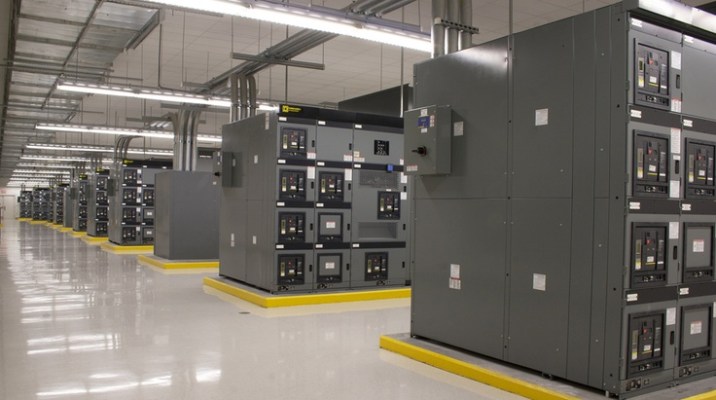
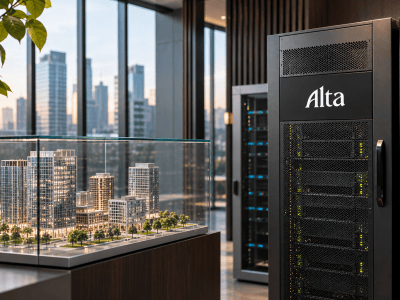
Torus Foundry packages computing hardware, power systems, energy storage, cooling and networking into a prefabricated installation. The company says the systems are designed to use available capacity at existing commercial and industrial grid connections, potentially avoiding some of the delays associated with building entirely new data centre sites.
Each installation is designed to provide between 1 and 20 megawatts of inference capacity. Torus says deployments can move from contract to operational computing in approximately 12 to 16 weeks. These are company-stated targets, and actual timelines will depend on site conditions, equipment availability and commissioning requirements.
Foundry is paired with Torus Reserve, the company’s energy storage and management product. The system is intended to help manage electricity demand, support grid stability and provide backup capabilities.
Funding to Expand Manufacturing
The $500 million growth capital round was led by Magnetar, with participation from ICONIQ, Origin Ventures, Ridgeline Partners and Trinity Capital. Torus said the funding will support expansion of its GigaOne manufacturing facility in Salt Lake City and the deployment of Foundry and Reserve systems.
The company said it is launching Foundry with initial customers, including Hydra Host and another AI cloud provider. It also plans to increase production capacity as demand for distributed inference infrastructure grows.
The Race to Bring AI Compute Online
AI infrastructure providers have traditionally focused on securing accelerators and building large data centre campuses. Torus is pursuing a different approach by combining computing equipment with energy systems and deploying closer to existing power availability.
The model could appeal to enterprises seeking more control over where AI workloads run, although its commercial success will depend on deployment economics, reliability and customer demand. The new funding gives Torus resources to scale production, while the first installations will provide a clearer test of its approach.









Comments