
 By
By 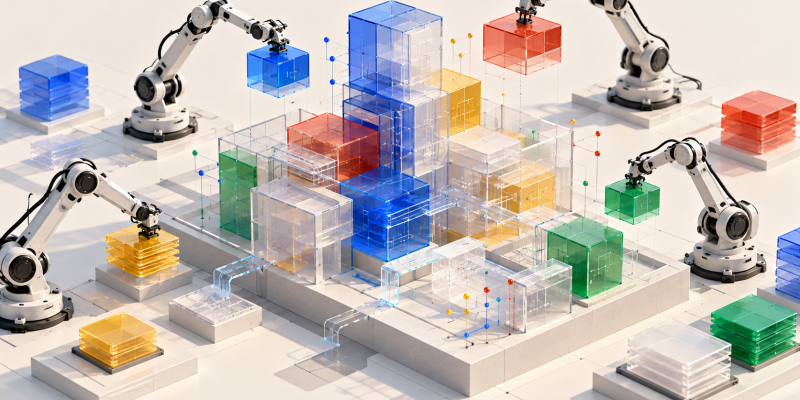
MOUNTAIN VIEW, California, Google has made Gemini 4 Argon available globally, expanding access to its latest artificial intelligence model for developers, businesses and eligible consumers. The release marks a new stage in the company’s competition with leading AI developers as technology firms seek systems capable of handling complex, multi step tasks.
Announced on October 13, 2026, Gemini 4 Argon is designed for demanding workloads across software development, finance, legal research, cybersecurity and scientific analysis. Google is offering access through its Gemini app, AI Mode in Search, developer platforms and Google Cloud services, with availability depending on the subscription or product being used.
The launch highlights how competition in AI is shifting from conversational responses toward systems that can carry out more involved work, maintain context and help users produce practical results.
A Focus on Complex Workflows
Google says Gemini 4 Argon is designed to manage tasks that require several stages of reasoning. These may include analysing lengthy reports, working through complicated software projects, developing visualisations and helping researchers interpret technical information.
For software developers, the model can support code generation, debugging and changes across large codebases. Businesses may use it to analyse financial documents, automate parts of internal workflows or help employees organise information from multiple sources.
Google has also highlighted internal applications, including software engineering and cybersecurity work. The company says Argon has helped teams address complex engineering problems and identify software vulnerabilities.
These capabilities could make AI more useful in professional environments where tasks require sustained context and interaction with tools. However, real world performance will depend on the complexity of each task, the quality of available information and the need for human review.
Pricing and Access Shape the Competitive Landscape
Google introduced Gemini 4 Argon with promotional API pricing of $2 per million input tokens and $10 per million output tokens. The model is also available to eligible Google AI Pro and Ultra subscribers through supported products.
Pricing is becoming an important part of competition among advanced AI providers. Businesses running AI systems at scale must consider not only the quality of a model’s responses but also the cost of processing information, the number of steps required and the resources needed to complete a task.
A lower per token price does not automatically mean a lower total cost. Models can use different amounts of computing resources and generate different quantities of output while completing the same assignment. Companies will therefore need to compare performance, reliability and operating expenses across actual workloads.
Google’s existing search, cloud and productivity businesses could also help distribute Argon to customers already using its technology platforms.
AI Competition Extends Beyond Chatbots
The release comes as Google competes with OpenAI, Anthropic and other developers investing in increasingly capable AI systems. Companies are seeking advantages through reasoning performance, software integration, safety measures and the ability to deploy models across consumer and enterprise products.
For businesses, a wider choice of models could create opportunities to select tools suited to different tasks rather than depending on a single provider. It may also encourage competition over pricing and specialised capabilities.
However, advanced systems bring challenges involving accuracy, security and oversight. AI generated code or financial analysis can contain errors, while autonomous workflows may create risks if permissions and review processes are not properly configured.
Organisations adopting these systems will need to establish safeguards, monitor outputs and determine which decisions require human approval.
What Comes Next
Gemini 4 Argon’s wider release gives Google another opportunity to compete for developers and enterprise customers. Adoption will depend on whether users find the model consistently useful, cost effective and reliable across real world tasks.
Investors will also watch whether Google’s AI investments strengthen its cloud business, improve productivity across its products and create new commercial opportunities.
The launch reflects the industry’s changing priorities. As advanced models become more widely available, competitive advantage may increasingly depend on how effectively companies integrate AI into everyday work rather than on model announcements alone.














Comments